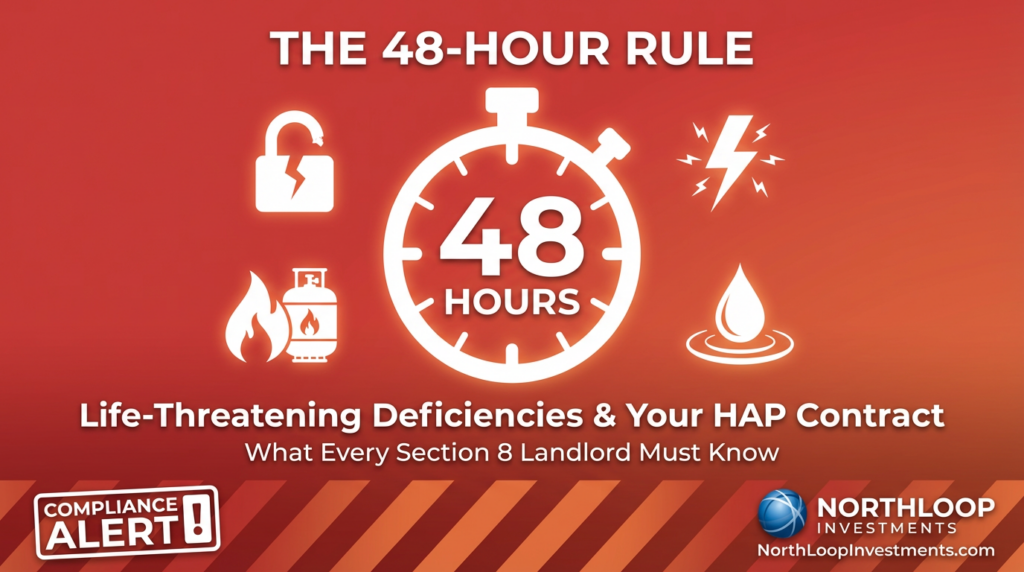
Becoming a Section 8 landlord can be rewarding — providing affordable housing to families while ensuring a steady stream of rental income. However, it also comes with strict HUD (U.S. Department of Housing and Urban Development) requirements that landlords must follow. Staying compliant isn’t just about doing the right thing — it’s essential to protect your rental business, avoid fines or penalties, and maintain your eligibility to participate in the Housing Choice Voucher Program.
Below are the key legal considerations every Section 8 landlord should know to stay compliant and operate successfully.
Understanding the Section 8 Program
The Section 8 Housing Choice Voucher Program helps low-income families, seniors, and individuals with disabilities rent safe, decent housing in the private market. It’s administered by local Public Housing Authorities (PHAs), which manage the program and pay a portion of the rent directly to landlords.
Tenants contribute a portion of their income toward rent, while the PHA covers the rest. For landlords, this means a reliable source of rent payments, but it also means agreeing to follow specific HUD and PHA regulations.
1. Meeting Housing Quality Standards (HQS)
Before you can rent to a Section 8 tenant, your property must pass a Housing Quality Standards (HQS) inspection conducted by the local PHA. These inspections ensure the property meets HUD’s minimum safety and habitability requirements.
Key HQS focus areas include:
- Safety and security: Functioning locks, proper lighting, and hazard-free conditions.
- Utilities: Working heat, water, and sanitation systems.
- Structure: Stable foundation, secure stairs, and no roof or wall leaks.
Regular inspections will follow to maintain compliance. If your property fails an inspection, prompt repairs are required to avoid rent payment delays or loss of program eligibility.
2. Fair Housing Act Compliance
Section 8 landlords must comply with the Fair Housing Act (FHA), which prohibits discrimination based on race, color, national origin, religion, sex, familial status, or disability.
In many jurisdictions, it’s also illegal to deny housing to tenants simply because they use a Section 8 voucher.
Key takeaways:
- You cannot reject applicants solely for having a voucher.
- Provide reasonable accommodations for tenants with disabilities.
- Stay updated on federal, state, and local fair housing laws — some regions go beyond HUD’s basic requirements.
Example: A tenant requesting grab bars or accessibility modifications may be legally entitled to those accommodations under the FHA.
3. Setting Rent in Line with Fair Market Rent (FMR)
HUD sets Fair Market Rent (FMR) levels for different areas to ensure rents are reasonable and affordable. The local PHA will review your requested rent to confirm it aligns with these benchmarks before approving the lease.
Best practices for rent compliance:
- Submit rent requests through the PHA for approval.
- Review HUD’s annual FMR updates for your area.
- Never request or accept side payments beyond the agreed rent — it’s a serious HUD violation.
Charging rent above FMR limits can result in your unit being ineligible for the Section 8 program.
4. Lease Agreements and HUD Tenancy Addendum
Landlords may use their own lease agreements, but they must comply with HUD’s standards and include the HUD Tenancy Addendum. This addendum outlines the rights and responsibilities of both parties under Section 8.
Key elements include:
- Rent breakdown (tenant vs. PHA portion)
- Property maintenance responsibilities
- Legal grounds and procedures for termination or eviction
Always submit your lease and addendum to the PHA for review and approval before move-in.
5. The Section 8 Eviction Process
Evicting a Section 8 tenant follows stricter rules than traditional evictions. Landlords may evict for valid reasons — such as non-payment, lease violations, or criminal activity — but must notify the PHA and ensure the eviction complies with both state law and HUD requirements.
Evictions based on discrimination or voucher status are strictly prohibited and could lead to legal action or disqualification from the program.
6. Annual Recertification and Rent Adjustments
To stay active in the Section 8 program, landlords must complete annual recertification with their local PHA. This process confirms that your property and lease still meet HUD standards and allows for rent adjustments if applicable.
Rent increase requests must:
- Be submitted to the PHA for approval.
- Stay within FMR limits.
- Be justified and reasonable based on market data.
Unapproved or excessive rent increases can be denied or flagged as noncompliant.
7. Documentation and Recordkeeping
Accurate and detailed recordkeeping is essential for HUD compliance.
Keep records of:
- Rent payments (tenant and PHA portions)
- Lease agreements and HUD addenda
- Inspection and maintenance reports
- Communication with tenants and PHAs
Having complete documentation protects you in the event of a dispute or audit.
Partnering for Compliance
Managing the legal and administrative aspects of Section 8 can be complex — but you don’t have to do it alone. The Inspection Group helps landlords stay compliant with HUD regulations through inspection support, compliance audits, training, and appeals assistance.
By maintaining transparency, integrity, and professionalism, you not only avoid penalties — you also build stronger relationships with tenants and housing authorities.
Disclaimer: This newsletter is for informational and educational purposes only and does not constitute tax, legal, or financial advice. Tax laws are complex and their application depends heavily on individual circumstances. You should always consult with a qualified tax professional, attorney, or financial advisor for advice tailored to your specific situation.
If you are a Section-8 property owner with HAP contract and looking to sell, we are always interested in exploring how we can work together for a seamless disposition/exit of your properties. Please contact us via below link:
About NorthLoop Investments: Our Principals at North Loop Investments have owned and operated HAP properties in Midwest and Southeast. Our properties include disability and family projects. We are approved to own and operate HUD housing with prior 2530 clearance. Upon your request, we would be happy to provide any additional information about our company or go to our website at: https://northloopinvestments.com/